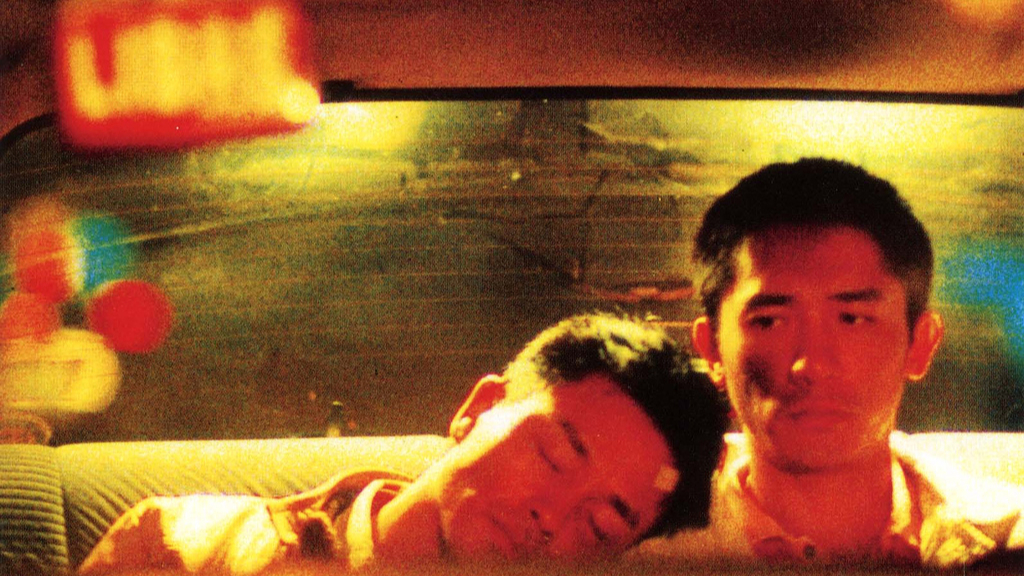
Happy Together (Film)
Overview
Happy Together is a Hong Kong romance film released in 1997. Directed by the acclaimed director Wong Kar-wai, the film is highly regarded for its artistic style and has received a five-star recommendation index, indicating its critical acclaim and popularity among audiences, particularly on Douban, a leading film rating platform in China.
Plot Summary
The film explores the tumultuous relationship between two men, Ho Po-wing and Lai Yiu-fai, who travel from Hong Kong to Argentina in an attempt to mend their ailing partnership. The narrative is a poignant examination of love, struggle, and the longing for connection, set against the vibrant backdrop of Buenos Aires. As the story unfolds, the couple faces numerous challenges and emotional turbulence, reflecting both the external and internal conflicts that can affect romantic relationships.
Direction and Cinematography
Wong Kar-wai is known for his distinctive directorial style, characterized by lush visuals and evocative storytelling. In "Happy Together," he employs a combination of slow-motion sequences, vibrant color palettes, and innovative camera angles to enhance the emotional depth of the narrative. The film's cinematography, executed by Christopher Doyle, captures the scenic yet melancholic ambiance of Buenos Aires, further immersing the audience in the characters' emotional journey.
Themes and Analysis
Happy Together delves into themes of love, identity, and the search for belonging. Wong Kar-wai masterfully portrays the complexities of human relationships, emphasizing the cyclical nature of love and heartbreak. The film also touches on issues of cultural displacement and alienation, as the protagonists navigate their existence as outsiders in a foreign land. Through its nuanced storytelling, Happy Together offers a profound commentary on the universal desire for connection and the challenges that come with it.
Reception and Impact
Upon its release, Happy Together received widespread acclaim from critics and audiences alike. The film's artistic merit and emotional resonance have solidified its status as a classic in Hong Kong cinema. It has been celebrated for pushing the boundaries of traditional romance narratives and for its representation of LGBTQ+ relationships. The film's influence extends beyond its initial release, inspiring filmmakers and contributing to the global recognition of Wong Kar-wai's unique cinematic voice.
Happy Together was recognized at various international film festivals, further cementing its legacy in the cinematic world. Notably, Wong Kar-wai received the Best Director award at the 1997 Cannes Film Festival, highlighting the film's exceptional direction and storytelling. Its critical success has contributed to its reputation as a significant work in the canon of world cinema.
Cultural Significance
The film holds a particular cultural significance as it emerged during a time when LGBTQ+ representation in mainstream media was limited. Happy Together challenged societal norms and provided visibility for same-sex relationships, contributing to broader discussions on diversity and inclusion in the film industry. Its portrayal of a complex, multifaceted romance resonated with audiences worldwide, fostering greater empathy and understanding.
Happy Together remains an essential film within Wong Kar-wai's oeuvre and continues to be studied and revered for its innovative approach to storytelling and visual artistry. The film's enduring appeal lies in its ability to capture the essence of human emotion, making it a timeless exploration of love and relationships. As part of Wong Kar-wai's filmography, Happy Together has inspired a new generation of filmmakers and continues to influence the landscape of contemporary cinema. Photo Gallery(2 pictures)CategoriesArtsTagFilm and TVCatalogue1. Overview2. Plot Summary3. Direction and Cinematography4. Themes and Analysis5. Reception and Impact6. Cultural Significance- - - []








